

AERTI Oxygen Concentrator – 5L and 10L Models
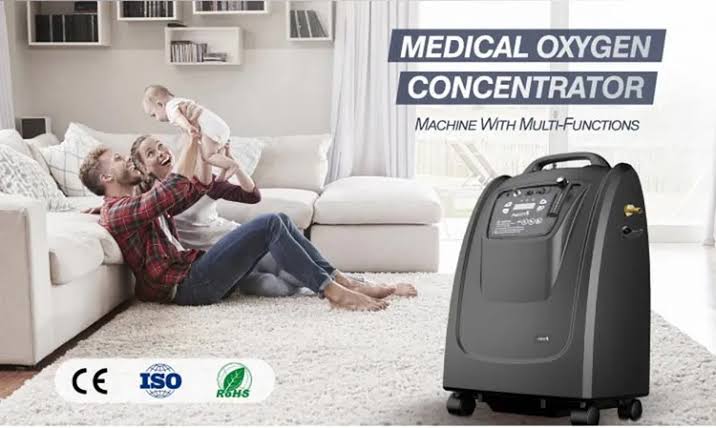
An AERTI oxygen concentrator is a medical device designed to provide oxygen-enriched gas to patients who have been prescribed supplemental oxygen therapy. It extracts oxygen from ambient air and delivers it continuously while operating, without the need for regular cylinder refilling.
Đaković d.o.o., Banja Luka, offers AERTI concentrators with different flow capacities for home oxygen therapy and healthcare facilities in Bosnia and Herzegovina.
This guide explains the differences between 5 L/min and 10 L/min models, important technical considerations and how to request information about availability and pricing.
AERTI Oxygen Concentrators for Home and Healthcare Use
AERTI manufactures medical oxygen concentrators and respiratory support equipment, offering devices with different capacities and technical specifications.
These systems separate nitrogen from ambient air to produce oxygen-enriched gas. Depending on the specific model, features may include adjustable flow rates, operating parameter displays and alarms that indicate certain operating conditions.
The appropriate device should always be selected according to the prescribed oxygen therapy and the manufacturer’s technical documentation.
AERTI 5 Liter Oxygen Concentrator
Models with a maximum flow capacity of 5 L/min are commonly considered for long-term oxygen therapy in home settings.
They may be suitable for patients requiring continuous oxygen delivery, provided the selected model maintains the required oxygen concentration at the prescribed flow rate.
Important factors include:
- Declared oxygen flow range and concentration
- Operating noise level
- Electrical power consumption
- Available safety alarms
- Maintenance and servicing requirements
Technical specifications should be verified for the particular model before purchase.
AERTI 10 Liter Oxygen Concentrator
Models with a maximum flow capacity of 10 L/min are designed for applications requiring higher oxygen flow rates.
Depending on the device and medical requirements, they may be suitable for healthcare facilities or home use where appropriate conditions for safe operation are available.
A higher maximum flow rate does not automatically make a device more suitable for every patient. The prescribed therapy and the device’s ability to maintain the required oxygen concentration remain essential considerations.
Differences Between 5L and 10L Oxygen Concentrators
The primary difference between these devices is their maximum nominal oxygen flow capacity.
| Feature | 5 L/min Model | 10 L/min Model |
|---|---|---|
| Maximum nominal flow | Up to 5 L/min | Up to 10 L/min |
| Typical application | Home therapy when clinically appropriate | Applications requiring higher flow |
| Dimensions and weight | Model-dependent | Model-dependent |
| Power consumption | According to specifications | According to specifications |
| Oxygen concentration | Verify at the prescribed flow rate | Verify at the prescribed flow rate |
| Device selection | Based on medical prescription | Based on medical prescription |
This comparison is intended as general guidance. Exact performance and operating specifications depend on the selected model.
How Does an Oxygen Concentrator Work?
Most stationary medical concentrators use Pressure Swing Adsorption (PSA) technology.
The device draws ambient air through a filtration system and molecular sieves that remove most of the nitrogen. The resulting oxygen-enriched gas is then delivered through appropriate patient accessories.
Certain medical models may provide oxygen concentrations of approximately 90–96%, although actual specifications and permitted tolerances depend on the model, flow rate and operating conditions.
Unlike compressed oxygen cylinders, these devices do not require regular refilling. However, they depend on an electrical power supply.
When Is Supplemental Oxygen Therapy Needed?
Oxygen therapy may be prescribed when medical assessment confirms that a patient requires additional oxygen.
It may be part of the treatment of certain conditions, including:
- Chronic obstructive pulmonary disease (COPD), when clinically indicated
- Pulmonary fibrosis and certain interstitial lung diseases
- Chronic respiratory failure
- Other conditions associated with documented hypoxemia
A diagnosis alone does not automatically mean that oxygen therapy is necessary.
The oxygen flow rate, treatment duration and method of administration must be determined by a healthcare professional based on the patient’s medical condition and appropriate diagnostic measurements.
How to Choose an Oxygen Concentrator for Home Use
Selecting a suitable device involves more than comparing maximum flow rates.
Oxygen Flow and Concentration
The device must deliver the prescribed oxygen flow while maintaining an appropriate oxygen concentration.
A designation of 5L or 10L alone is not sufficient to determine suitability for an individual patient.
Noise Level
For long-term home therapy, the device may operate for extended periods, including overnight.
Operating noise can therefore influence patient comfort and everyday use.
Safety Features
Depending on the model, available functions may include audible and visual alarms for power failure, low oxygen concentration or other operating abnormalities.
Maintenance and Technical Support
Before purchasing, it is important to consider filter maintenance, spare parts availability, routine servicing and access to technical assistance.
Safe Operation and Maintenance
Oxygen concentrators must be operated according to the manufacturer’s instructions and the prescribing healthcare professional’s recommendations.
Adequate ventilation around the device is essential. Air intake and exhaust openings must remain unobstructed.
Smoking, open flames and other ignition sources must be kept away from oxygen therapy equipment. Oxygen supports combustion and increases the risk of fire.
Patients who require uninterrupted oxygen therapy should have an appropriate backup oxygen supply plan in case of power failure or device malfunction, as advised by their healthcare team.
Routine maintenance should follow the manufacturer’s instructions. Unauthorized repairs or modifications should be avoided.
AERTI Oxygen Concentrator Price in Bosnia and Herzegovina
The price of an AERTI oxygen concentrator depends on the model, flow capacity, technical specifications and included accessories.
Factors that may influence the purchase price include:
- Maximum oxygen flow and declared concentration
- Safety alarms and monitoring functions
- Operating noise and electrical power consumption
- Accessories and additional equipment
- Purchasing conditions and technical support
When comparing different devices, medical suitability and technical performance should be considered alongside the purchase price.
For current information about available models and pricing, contact Đaković.
Where to Buy AERTI Oxygen Concentrators in Banja Luka and Bosnia and Herzegovina
Đaković d.o.o., Banja Luka, distributes medical equipment to healthcare institutions and other customers throughout Bosnia and Herzegovina.
Our team provides information about available AERTI devices, technical documentation, flow capacities and purchasing options.
For a general explanation of how these devices work and what to consider for home use, you can also read our guide on oxygen concentrators for home use.
Request Information and a Quotation
Are you looking for a 5 L/min or 10 L/min oxygen concentrator for home oxygen therapy or a healthcare facility?
Contact Đaković d.o.o., Banja Luka, for information about available models, technical specifications and purchasing conditions.