

What Is an OCT Eye Exam? Complete Guide for Patients and Clinics in Bosnia and Herzegovina
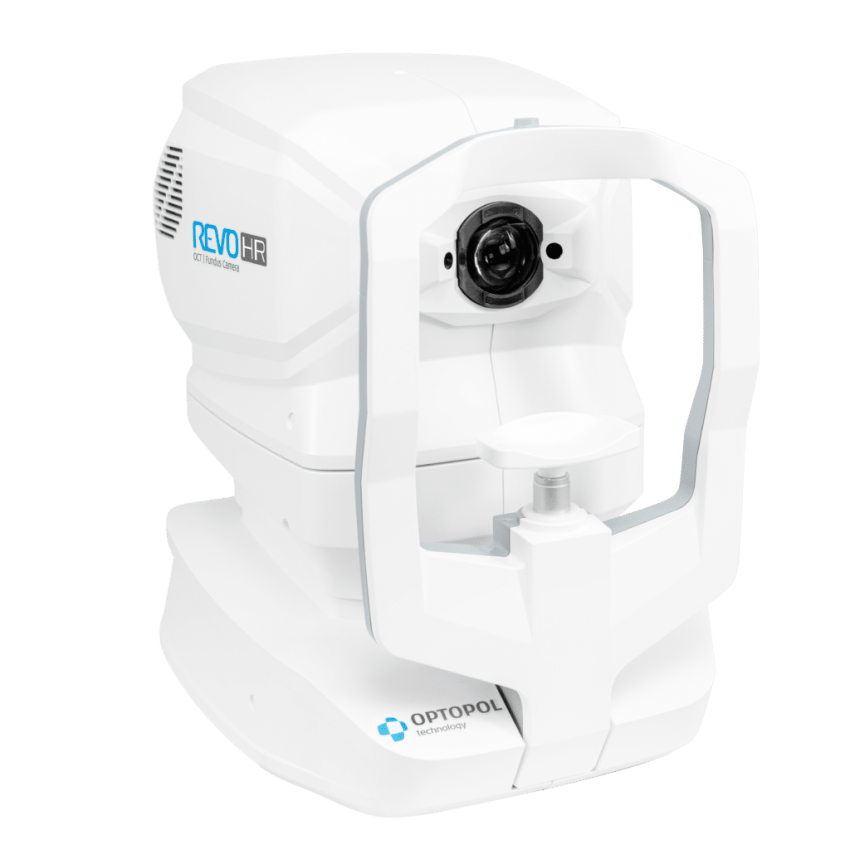
OCT pregled oka jedan je od najvažnijih dijagnostičkih slikovnih testova u modernoj oftalmologiji. Ovaj brz, bezbolan i neinvazivan postupak pruža vrlo detaljan prikaz mrežnice i vidnog živca u mikroskopskoj rezoluciji. U ovom vodiču objašnjavamo sve što pacijenti i klinike trebaju znati o OCT pregledu oka – što je to, kako funkcionira, kada se izvodi i što otkriva.
Što je OCT pregled vida i kako funkcionira?
OCT (optička koherentna tomografija) je neinvazivna metoda snimanja koja koristi svjetlosne valove za generiranje slika presjeka mrežnice. Najbolje se može opisati kao „ultrazvuk koji koristi svjetlost umjesto zvuka“, ali sa znatno većom rezolucijom.
OCT pregled vida omogućuje:
-
precizna procjena makule
-
procjena glaukoma putem RNFL i GCC analize
-
otkrivanje edema, membrana i degenerativnih promjena
-
praćenje učinaka liječenja (npr. anti-VEGF terapija)
Za stručno objašnjenje OCT tehnologije možete se obratiti Američkoj akademiji za oftalmologiju:
https://www.aao.org/eye-health/treatments/what-is-oct
Zašto se izvodi OCT pregled očiju? (Najčešće indikacije)
OCT pregled oka je neophodan za dijagnosticiranje:
-
makularna degeneracija povezana sa starenjem (AMD)
-
dijabetički makularni edem (DME)
-
glaukom
-
epiretinalne membrane (ERM)
-
pukotine i odljepljivanje mrežnice
-
visoka kratkovidnost
-
postoperativno praćenje
OCT pruža informacije koje nijedna druga metoda snimanja ne može ponuditi.
Boli li OCT pregled očiju i treba li proširiti zjenice?
OCT pregled očiju je:
-
potpuno bezbolno
-
ne dodiruje oko
-
obično traje 10-30 sekundi
U većini slučajeva, širenje zjenica nije potrebno osim ako pacijent nema izrazito uske zjenice ili značajne zamućenja leće. Redoviti OCT pregled oka posebno je važan kod glaukoma, dijabetesa i bolesti makule.
Makularni OCT – što pokazuje?
Makula je središnji dio mrežnice odgovoran za oštar i detaljan vid. OCT pregled makule pokazuje:
-
debljina makule
-
prisutnost edema
-
subretinalna tekućina
-
epiretinalne membrane
-
rane promjene AMD-a
-
vitreomakularna trakcija ili adhezija
S rezolucijom od 3–5 µm, OCT pregled oka može otkriti promjene nevidljive tijekom standardnog pregleda očne pozadine.
OCT optičkog živca – dijagnostika glaukoma
OCT pregled vidnog živca je zlatni standard u ranom otkrivanju glaukoma. Uključuje:
-
Analiza RNFL-a (sloja retinalnih živčanih vlakana)
-
Analiza GCC-a (kompleksa ganglijskih stanica)
-
3D snimanje glave vidnog živca
-
analiza napretka i trenda
OCT pregled oka otkriva glaukomsko oštećenje mnogo prije nego što pacijent primijeti gubitak vidnog polja.
OCT-A (angiografija bez kontrastnog sredstva)
OCT angiografija (OCT-A) vizualizira krvne žile mrežnice i korioideje bez upotrebe kontrastnog sredstva .
Obično se koristi za:
-
dijabetička retinopatija
-
vaskularne okluzije
-
AMD
-
ishemija i mikroaneurizme
Moderni OCT sustavi pružaju iznimno jasne OCT-A slike.
Koliko često trebate imati OCT pregled očiju?
Učestalost ovisi o dijagnozi:
-
preventivno: jednom godišnje
-
glaukom: svaka 3-6 mjeseci
-
dijabetičari: jednom ili dva puta godišnje
-
AMD i intravitrealna terapija: prema uputama oftalmologa
Redoviti OCT pregled oka omogućuje rano otkrivanje i pravovremeno liječenje.
Kako odabrati visokokvalitetni OCT uređaj? (Stručni odjeljak za klinike)
Prilikom odabira OCT uređaja, klinike bi trebale uzeti u obzir:
-
aksijalna rezolucija (idealno 3–5 µm)
-
brzina skeniranja (≥ 80 000 A-skeniranja/s)
-
ugrađena kvaliteta snimanja fundusa (za kombinirane uređaje)
-
dostupni softverski moduli (mrežnica, glaukom, OCT-A)
-
servisna podrška i obuka
Za pregled dostupnih OCT modela posjetite našu stranicu s OCT uređajima →
https://www.djakovic.com/oct-uredjaji
Zašto mnoge klinike u Bosni i Hercegovini biraju Optopol REVO seriju
Optopol REVO obitelj (REVO HR, FC130, REVO 80) nudi:
-
Rezolucija tkiva od 3 µm
-
130.000 A-skeniranja/s
-
integrirana fundus kamera (HR, FC130)
-
OCT-A i UWF opcije
-
skeniranje punog raspona do 5,6 mm
-
automatsko fokusiranje, automatsko praćenje i automatsko snimanje
-
tijek rada za poslužitelje i više radnih stanica
-
lokalne usluge i obuka u Bosni i Hercegovini
Zbog toga je to jedno od najnaprednijih i najisplativijih rješenja u regiji.
Zaključak
OCT pregled oka ključan je dio moderne oftalmološke dijagnostike.
Za pacijente je brz, bezbolan i vrlo informativan.
Za klinike odabir pravog OCT sustava značajno poboljšava dijagnostičku točnost i kvalitetu usluge.
Za OCT demonstracije, informacije o uređajima ili ponude, kontaktirajte nas.